
Dental Care
Veterinary Dental Care for Cats and Dogs
Dental health is a cornerstone of overall pet well-being, often overlooked until significant issues arise. Dental problems in cats and dogs can lead to pain, discomfort, and even systemic health complications. This comprehensive guide will delve into the importance of veterinary dental care, common dental issues, and effective preventative measures.
Understanding the Importance of Dental Care
- Pain and Discomfort: Dental problems can cause significant discomfort, leading to reduced appetite, lethargy, and behavioral changes.
- Systemic Health Risks: Bacteria from dental infections can spread to other organs, causing serious health issues like kidney disease, heart disease, and liver problems.
- Reduced Quality of Life: Dental pain can significantly impact a pet’s quality of life, making it difficult to enjoy activities they once loved.

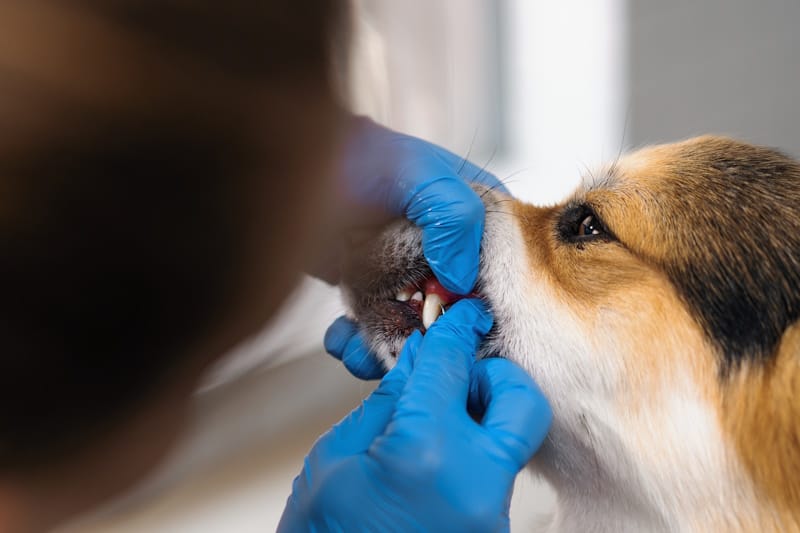
Common Dental Problems in Cats and Dogs
- Plaque and Tartar: A sticky film that forms on teeth, plaque can harden into tartar, which is difficult to remove without professional cleaning.
- Gum Disease: Gingivitis (inflammation of the gums) and periodontitis (infection of the tissues surrounding the teeth) are common dental diseases that can lead to tooth loss.
- Tooth Fractures and Resorption: Trauma, chewing on hard objects, or advanced dental disease can cause tooth fractures or resorption.
- Oral Tumors: While less common, oral tumors can develop in pets and may require surgical removal.
Recognizing the Signs of Dental Problems
- Bad Breath: A strong, unpleasant odor from the mouth is often a sign of dental problems.
- Excessive Drooling: Difficulty swallowing or chewing can lead to excessive drooling.
- Pawing at the Face: Pets may paw at their face or mouth due to pain or discomfort.
- Weight Loss: Reduced appetite or difficulty eating can lead to weight loss.
- Difficulty Chewing or Eating: Pets may avoid eating or chew their food differently due to dental pain.
Veterinary Dental Care
Regular veterinary dental examinations are crucial for early detection and prevention of dental problems. Your veterinarian will perform a thorough examination of your pet’s teeth and gums and may recommend the following procedures:
- Professional Dental Cleaning: This involves removing plaque, tartar, and calculus from the teeth and gums under anesthesia.
- Extractions: Severely damaged or infected teeth may need to be extracted.
- Root Canal Therapy: In some cases, root canal therapy can be performed to save a damaged tooth.
- Oral Surgery: For more complex dental issues, oral surgery may be necessary.
Home Dental Care
While regular veterinary dental care is essential, you can also take steps at home to maintain your pet’s oral health:
- Daily Brushing: Gently brush your pet’s teeth with a pet-safe toothpaste and toothbrush.
- Dental Chews and Toys: Provide your pet with dental chews or toys that can help scrub teeth and reduce tartar buildup.
- Diet: A healthy diet can contribute to dental health. Avoid foods that are sticky or hard to chew.
Prevention is Key
By following these guidelines and providing your pet with regular veterinary dental care, you can help prevent serious dental problems and ensure a happy, healthy life for your furry companion. Remember, early detection and prevention are key to maintaining your pet’s oral health.
Recognizing the Signs of Dental Problems
- Bad Breath: A strong, unpleasant odor from the mouth is often a sign of dental problems.
- Excessive Drooling: Difficulty swallowing or chewing can lead to excessive drooling.
- Pawing at the Face: Pets may paw at their face or mouth due to pain or discomfort.
- Weight Loss: Reduced appetite or difficulty eating can lead to weight loss.
- Difficulty Chewing or Eating: Pets may avoid eating or chew their food differently due to dental pain.
Veterinary Dental Care
Regular veterinary dental examinations are crucial for early detection and prevention of dental problems. Your veterinarian will perform a thorough examination of your pet’s teeth and gums and may recommend the following procedures:
- Professional Dental Cleaning: This involves removing plaque, tartar, and calculus from the teeth and gums under anesthesia.
- Extractions: Severely damaged or infected teeth may need to be extracted.
- Root Canal Therapy: In some cases, root canal therapy can be performed to save a damaged tooth.
- Oral Surgery: For more complex dental issues, oral surgery may be necessary.
Home Dental Care
While regular veterinary dental care is essential, you can also take steps at home to maintain your pet’s oral health:
- Daily Brushing: Gently brush your pet’s teeth with a pet-safe toothpaste and toothbrush.
- Dental Chews and Toys: Provide your pet with dental chews or toys that can help scrub teeth and reduce tartar buildup.
- Diet: A healthy diet can contribute to dental health. Avoid foods that are sticky or hard to chew.
Prevention is Key
By following these guidelines and providing your pet with regular veterinary dental care, you can help prevent serious dental problems and ensure a happy, healthy life for your furry companion. Remember, early detection and prevention are key to maintaining your pet’s oral health.