
Check-ups and Wellness Exams
The Importance of Regular Check-ups and Wellness Exams for Your Pets
Keeping your pet healthy goes beyond emergency visits or vaccinations. Regular check-ups and wellness exams are vital to detecting health issues early, preventing serious diseases, and ensuring your pet lives a long, happy life. At Vet.co.uk, we believe in the power of proactive care, offering comprehensive wellness exams for cats, dogs, and rabbits to monitor their overall health.
What Are Wellness Exams?
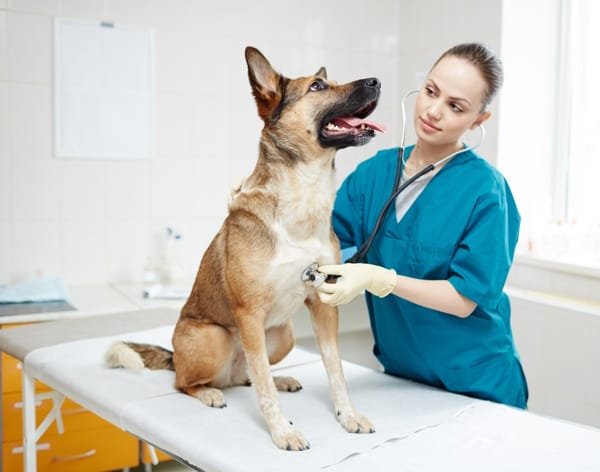
A wellness exam is a routine visit to your veterinarian to assess your pet’s general health. These exams allow vets to check for early signs of illness or any changes in your pet’s condition, even if they appear healthy on the surface.
Wellness exams typically include:
- Physical Examination Your vet will check your pet from head to tail, examining the skin, coat, eyes, ears, teeth, and more to spot any abnormalities.
- Weight Check: Monitoring weight is crucial for preventing obesity or malnutrition.
- Vital Signs: The vet will check your pet’s heart rate, temperature, and respiratory rate to ensure everything is within a healthy range.
- Blood Work and Urine Tests: These tests help screen for hidden issues like diabetes, kidney disease, or liver problems
- Parasite Check: Fecal samples and blood tests are used to check for parasites like worms, ticks, and fleas.
Why Are Wellness Exams Important?
- Early Detection of Health Problems
Pets, especially cats and rabbits, are experts at hiding discomfort or illness until it becomes severe. Regular check-ups allow your vet to catch issues early, such as:- Dental disease: Many pets develop oral health problems that can affect eating, comfort, and even the heart.
- Heart and respiratory conditions: Subtle symptoms can lead to more serious conditions if untreated.
- Joint problems or arthritis: These conditions can be detected before your pet shows signs of pain.
- Tailored Health Advice
During a wellness exam, your vet can provide tailored advice based on your pet’s breed, age, and lifestyle. For example:- Dietary advice: to manage weight or special dietary needs.
- Exercise recommendations: to maintain physical health, especially for dogs prone to obesity.
- Preventative care tips: such as flea, tick, and worming treatments, depending on your pet’s risk factors.
- Preventive Care
Regular wellness exams also include routine preventive measures like vaccinations and parasite prevention. Keeping up with preventive care helps reduce the risk of your pet developing serious health issues. For example:- Flea and Tick Prevention: These parasites can cause serious diseases such as Lyme disease or Bartonella in cats.
- Heartworm Protection: For dogs, regular medication is essential to prevent this dangerous parasite.
Check-ups and Wellness Exams by Species
For Dogs
Dogs of all sizes and breeds benefit from annual or bi-annual wellness exams. Common checks include:
- Dental Checks: Dogs are prone to dental diseases like gingivitis and tartar buildup.
- Weight and Nutrition: Obesity in dogs can lead to a range of health problems such as diabetes and joint pain.
- Heart Health: Regular checks for heart murmurs or irregularities in older dogs are crucial for early intervention.
Recommended Frequency:
Puppies should be seen multiple times in their first year for vaccinations and monitoring growth.
- Puppies: should be seen multiple times in their first year for vaccinations and monitoring growth.
- Adult dogs: Annual check-ups.
- Senior Dogs: Bi-annual exams, as older dogs are more prone to health issues like arthritis, kidney disease, or diabetes.
For Cats
Cats are often more independent and may not show signs of illness until it’s severe, making check-ups essential:
- Dental Health: Like dogs, cats can suffer from periodontal disease, which can cause pain and affect their overall health.
- Parasite Control: Even indoor cats can be at risk of fleas, ticks, and worms.
- Weight and Activity Levels: Obesity is a common problem in cats, especially as they age.
Recommended Frequency:
- Kittens: Multiple visits during their first year for vaccinations, growth checks, and spaying or neutering.
- Adult Cats: Annual check-ups.
- Senior Cats: Every six months, especially to monitor kidney health and weight loss issues common in older cats.
For Rabbits
Rabbits are prey animals, which means they hide signs of illness as a survival instinct. Regular wellness exams can identify problems early:
- Teeth Checks: Rabbit teeth grow continuously, and dental problems can be life-threatening if not managed.
- Weight and Nutrition: An appropriate diet with hay and fresh greens is essential for rabbit health, and a vet can help guide you.
- Vaccinations: Rabbits require protection from diseases like myxomatosis and viral hemorrhagic disease.
Recommended Frequency:
- Young Rabbits: Wellness exams every six months to monitor growth and dental health.
- Adult Rabbits: Annual check-ups.
- Senior Rabbits: Bi-annual exams to monitor for age-related conditions like arthritis or weight loss.
What to Expect During a Vet Check-Up
During a wellness exam, your vet will:
- Perform a physical examination of your pet’s body, checking for any lumps, swelling, or discomfort.
- Ask questions about your pet’s behavior, diet, and any concerns you may have noticed at home.
- Run diagnostic tests if necessary, such as blood work or urine tests, to check for hidden illnesses.
- Recommend preventive treatments such as parasite control, vaccinations, or dietary changes.
- Update your pet’s medical recordskeeping track of their health history and any changes over time.
How Often Should Your Pet Have a Wellness Exam?
The frequency of wellness exams depends on the age, species, and health of your pet:
- Young pets (under 1 year) may need to visit the vet more frequently for vaccinations, spaying/neutering, and early health monitoring.
- Adult pets should typically have a check-up once a year to ensure they remain healthy.
- Senior pets (age 7+ for dogs, cats, and rabbits) benefit from bi-annual visits, as health problems tend to develop faster in older animals.
Keeping Your Pet Healthy with Regular Check-Ups
Routine check-ups and wellness exams are essential to maintaining your pet’s health and quality of life. By scheduling regular visits to the vet, you can detect potential health problems early and ensure your pet gets the best care possible. At Vet.co.uk, we offer comprehensive wellness exams tailored to your pet’s needs. Contact us today to book your pet’s next check-up and keep them healthy for years to come!