
Anaesthesia and Analgesia
Anaesthesia and Analgesia: Safe and Effective Pain Management for Your Pet
At Vet.co.uk, we prioritize the safety and comfort of your pet, especially during surgical or potentially painful procedures. Understanding anaesthesia (to induce a controlled, temporary loss of sensation) and analgesia (to alleviate pain) is essential for pet owners to make informed decisions about their pet’s care. Our team is committed to using the latest in veterinary anaesthesia and pain management techniques, ensuring that your pet experiences minimal discomfort while undergoing necessary medical procedures.
What is Anaesthesia in Veterinary Medicine?
Anaesthesia is a medical intervention that allows veterinarians to perform procedures without causing distress or pain to your pet. Different types of anaesthesia are used depending on the procedure, including:
- Local Anaesthesia: Numbs a specific area of the body, commonly used for minor procedures or wound repair.
- Sedation: Reduces consciousness to keep pets calm and still, often used for imaging or minor diagnostics.
- General Anaesthesia: Fully induces unconsciousness, typically used for surgeries and more invasive procedures.
At Vet.co.uk, we tailor anaesthesia to meet each pet’s unique needs, considering factors like age, breed, size, and overall health. This careful customization helps minimize risks and ensures the highest standards of safety and comfort.
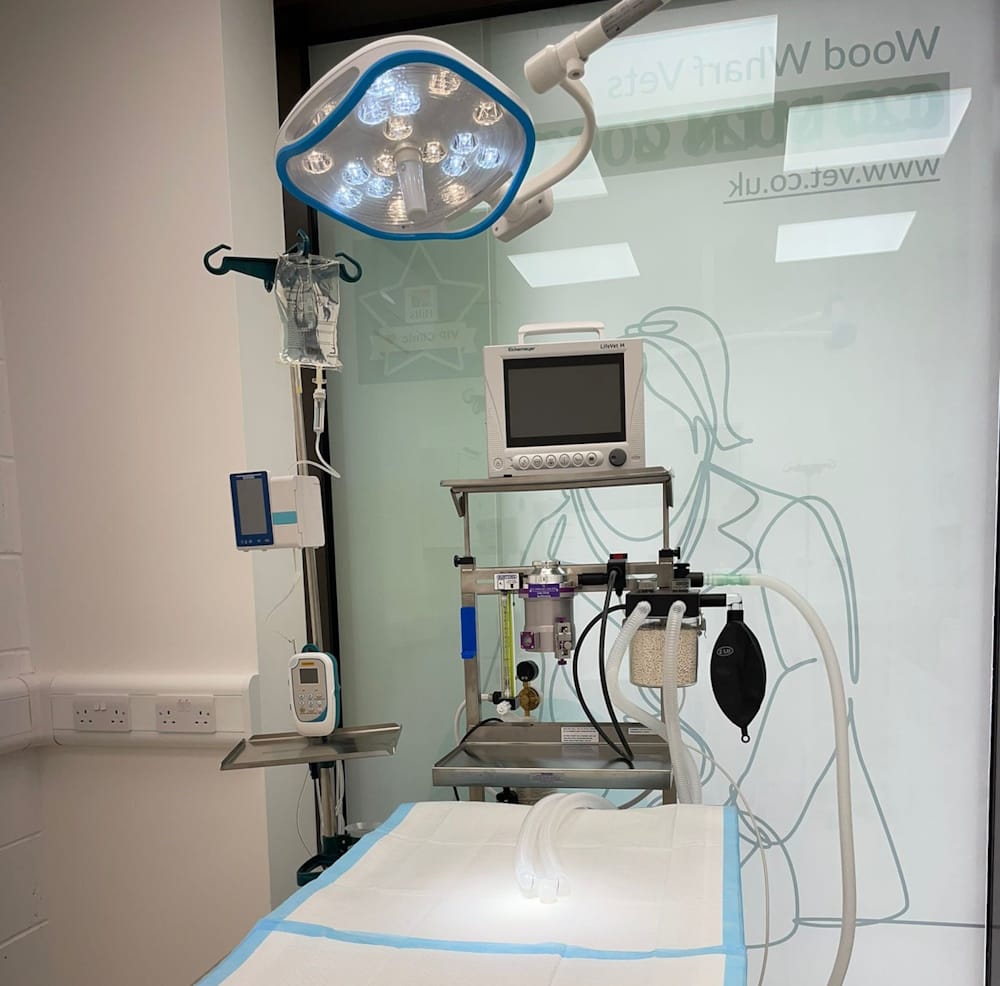
Pre-Anaesthetic Evaluation: Ensuring Your Pet’s Safety
Before any procedure involving anaesthesia, we perform a thorough pre-anaesthetic evaluation to determine your pet’s health status and minimize potential complications. Key components of this assessment include:
- Physical Examination: A complete check-up to assess heart, lung, and organ health.
- Blood Tests: Routine blood work, including complete blood count (CBC) and chemistry profile, helps evaluate organ function and identify potential risks.
- Additional Diagnostics: For some pets, advanced diagnostics like X-rays or ultrasound may be recommended to gather detailed information about their health.
This evaluation helps us choose the most appropriate anaesthetic protocol and identify any factors that may affect the safety of the procedure.
Types of Analgesia and Pain Management Techniques
Managing pain, or analgesia, is just as important as anaesthesia in veterinary medicine. At Vet.co.uk, we use a combination of techniques to ensure your pet’s comfort before, during, and after any procedure:
- Pre-Emptive Analgesia
Pre-emptive analgesia involves administering pain relief before a procedure begins, helping to reduce pain signals and prevent severe discomfort. This method is especially useful for surgeries and dental procedures, as it lessens the post-procedure pain and speeds up recovery. - Multimodal Pain Management
Multimodal pain management combines different pain relief methods to address pain from multiple pathways. This can include a combination of non-steroidal anti-inflammatory drugs (NSAIDs), opioids, and local anaesthetics to achieve optimal comfort for your pet. - Local Blocks and Regional Anaesthesia
For certain procedures, our veterinarians may use local or regional anaesthesia to target specific nerves, numbing an area without affecting the entire body. Common applications include dental surgeries and minor wound repairs. Regional anaesthesia is particularly useful in cases where general anaesthesia may not be suitable due to age or health conditions. - Post-Operative Pain Management
After surgery or any procedure, post-operative pain management is essential to prevent discomfort and facilitate healing. We provide oral pain medications and offer follow-up appointments to ensure your pet’s recovery is progressing smoothly.
Risks and Safety Considerations for Anaesthesia and Analgesia
While anaesthesia and analgesia are generally safe, they carry some risks, especially for pets with underlying health issues. At Vet.co.uk, we adhere to stringent safety protocols, including:
- Monitoring Vital Signs: During anaesthesia, we monitor vital signs like heart rate, blood pressure, and oxygen levels to detect and address any changes immediately.
- Adjusting Dosages: We adjust anaesthetic dosages based on real-time monitoring and your pet’s individual needs.
- Special Care for Senior Pets: Older pets may be more vulnerable to anaesthetic complications. Our team is experienced in providing age-appropriate anaesthetic and pain management solutions to ensure safety.
By prioritizing individualized care and constant monitoring, we keep your pet as safe and comfortable as possible during anaesthetic procedures.
Recovery and Aftercare: What to Expect After Anaesthesia
After anaesthesia, pets may take time to fully recover. Here’s what you can expect during the recovery period:
- Drowsiness and Lethargy: It’s normal for pets to feel groggy or lethargic for a few hours after anaesthesia. Ensure they have a quiet, comfortable space to rest.
- Loss of Coordination: Your pet may experience temporary loss of balance. Monitor them closely, especially around stairs or slippery floors.
- Eating and Drinking: Some pets may not feel like eating immediately after anaesthesia, which is normal. Offer a small amount of food and water, and gradually reintroduce their regular diet.
- Follow-Up Care: Our team will schedule a follow-up appointment to assess your pet’s recovery and provide additional pain management if needed.
FAQs About Anaesthesia and Analgesia for Pets
- Is anaesthesia safe for my pet?
While all anaesthesia carries some risk, advancements in veterinary medicine have made it much safer. At Vet.co.uk, we conduct thorough pre-anaesthetic evaluations and use advanced monitoring equipment to minimize risks.
- How do I know if my pet is in pain after a procedure?
Signs of pain may include whimpering, restlessness, reluctance to move, or changes in eating and drinking habits. If you notice any of these signs, contact our team for advice on additional pain management options.
- How long will it take for my pet to fully recover from anaesthesia?
Recovery time depends on the type of anaesthesia used and the individual pet. Most pets are back to normal within 24 hours, but we’ll provide specific instructions based on your pet’s needs.
Trust Vet.co.uk for Safe and Compassionate Anaesthesia and Analgesia
At Vet.co.uk, we are committed to providing safe, effective anaesthesia and pain management for your pet. Our experienced team uses the latest techniques to ensure comfort and reduce stress, making your pet’s experience as smooth as possible. If you have questions or concerns about anaesthesia or pain management, contact us to learn more about our services and how we can support your pet’s health and well-being.